Neumann Open-Back Dynamic Studio Headphones Review: Who It Fits and Who Should Skip It
As an Amazon Associate we earn from qualifying purchases. Links on this page are affiliate links.
This neumann ndh 30 dynamic reference class review focuses on a pair of open-back studio headphones designed for critical listening. The Neumann NDH 30 uses dynamic drivers to deliver sound that matches perfectly calibrated Neumann KH Line speakers. Its open-back acoustic design allows for high spatial resolution, helping you place instruments accurately in a mix. The headphones connect via a 3.5 mm jack and include an internally balanced, detachable cable. They are built for long-term wearing comfort in professional environments. This setup prioritizes linear response and transient accuracy over isolation.
What stands out
- Open-back acoustic design for high spatial resolution
- Dynamic driver type for outstanding linearity
- Compatibility with Neumann KH Line speakers
- Internally balanced, detachable 3.5 mm cable
Who it fits
Good fit for
You should choose these headphones if you work in a quiet studio and need reference-quality monitoring. The open-back design works best when you can control your listening environment. If you rely on Neumann KH Line speakers, these headphones ensure mixing compatibility across your setup. The dynamic drivers provide the transient response needed for detailed editing. You will appreciate the foldable design for transport and the comfort for long sessions.
Who should skip it
Skip this model if you need noise isolation. The open-back design lets sound leak in and out, making it unsuitable for noisy environments or public use. You also cannot connect these directly to devices with only a 4.4 mm or XLR input without an adapter, as they use a 3.5 mm connector. If you prefer wireless freedom, these wired headphones will not meet your needs. They are strictly for studio use, not casual listening on the go.
Verdict: The Neumann NDH 30 is a precise tool for studio engineers who need accurate, open-back monitoring. It fits well with compatible Neumann speaker setups but requires a quiet space to shine.
Key specs explained for Neumann NDH 30
Form Factor: Open-back
Open-back designs allow air to pass through the ear cups. This creates a wider, more natural soundstage compared to closed-back models. You get better spatial resolution, which helps you place instruments accurately in a mix. These headphones are ideal for studio work in quiet rooms. They are not suitable for noisy environments or public transit.
Driver Type: Dynamic
Dynamic drivers use a voice coil and magnet to move a diaphragm. This type is known for strong transient response and clear linearity. You get precise detail retrieval for critical listening. Dynamic drivers are the standard for professional studio monitoring. They offer a balanced frequency response that matches reference speakers well for mixing tasks.
Connectivity: 3.5 mm
This headphone uses a standard 3.5 mm jack for audio input. You connect it directly to audio interfaces, mixers, or dedicated headphone amps. The detachable internally balanced cable allows for easy replacement if damaged. This wired connection ensures zero latency and consistent signal quality, which is essential for professional recording and mixing sessions.
Recommended Use: Studio
These headphones are built specifically for professional studio environments. They provide the accuracy needed for editing, mixing, and mastering audio. The design prioritizes sound fidelity over portability or bass boost. You should use these in a controlled acoustic space. They are not intended for casual listening or gaming where entertainment features are preferred.
Design and Build Overview
The Neumann NDH 30 features a black finish that aligns with its studio-focused identity. According to the listing, the build emphasizes excellent long-term wearing comfort. This suggests the materials and fit are engineered for extended mixing sessions without causing fatigue. The headphones are foldable, a design choice that prioritizes easy transport. You can collapse the ear cups to fit them into a carrying case, making them suitable for engineers who move between studios or travel for field work.
The layout includes an internally balanced cable that is detachable. This connection method allows you to replace the cable if it becomes damaged, extending the lifespan of the unit. The 3.5 mm connectivity ensures compatibility with most audio interfaces and portable recorders without needing adapters. The open-back acoustic design is central to the physical structure. This configuration affects how sound escapes the ear cups, influencing both the listening experience and the isolation level.
These design choices indicate a product built for professional environments rather than casual use. The foldable nature and detachable cable support durability and portability. The open-back structure requires a quiet environment to prevent sound leakage and external noise intrusion. You should expect a build that prioritizes function and longevity over flashy aesthetics. The black color scheme keeps the appearance neutral and professional.
Setup and Daily Use Guide
Setting up the Neumann NDH 30 requires a straightforward connection process. The listing specifies a 3.5 mm connectivity option. You will need a source device with a matching 3.5 mm output jack. The bundle includes an Auray HPDS-B Desktop Headphone Stand. This stand allows you to place the headphones securely on a desk. It keeps the unit organized when not in active use. The headphones themselves feature an internally balanced cable. This cable is detachable. You can unplug it for transport or storage. The listing notes that the headphones are foldable. This feature supports easy transport. You can collapse the ear cups to fit them into a carrying case. This design choice prioritizes portability without compromising the open-back studio form factor. For daily use, these headphones are recommended for studio environments. They are designed for critical listening tasks. The acoustic design aims for sound and mixing compatibility with perfectly calibrated Neumann KH Line speakers. This implies you should use them in a controlled acoustic space. The open-back nature means sound leaks out. You should avoid using them in noisy public areas. The dynamic driver type provides specific transient response characteristics. You can expect a linear sound signature suitable for professional audio work. The build emphasizes long-term wearing comfort. You can wear them for extended sessions. The black finish aligns with standard studio aesthetics. The detachable cable allows you to replace it if needed. This maintains the headphones' functionality over time. The setup is simple. The daily workflow integrates seamlessly into a professional mixing environment.
Before You Buy Neumann NDH 30
You need a source with a 3.5 mm output. The listing specifies this connectivity. If your interface uses XLR or USB, you will require an adapter. The bundle includes an Auray HPDS-B desktop stand. This keeps the headphones safe when not in use. The internal cable is detachable. You can replace it if it wears out. Keep the ear pads clean for hygiene. These headphones fit into a studio workflow. They match Neumann KH Line speakers. If you use other brands, check compatibility. Open-back designs leak sound. Do not use them in noisy environments. They suit critical listening. They do not suit commuting. Consider your acoustic environment before buying. This product sits alongside other reference monitors. It offers specific linearity. It targets professionals who need accuracy. It is not for casual listening. You must have a quiet space. The foldable design helps with transport. Store them carefully to maintain comfort. Check your mixing room acoustics first. These headphones demand a proper setup. They are tools for precision. They are not for entertainment.
Check before you buy
- Verify your audio interface has a 3.5 mm output
- Ensure your mixing room is quiet enough for open-back leakage
- Check if you need an adapter for XLR connections
- Confirm your workflow requires Neumann KH Line compatibility
The product at a glance
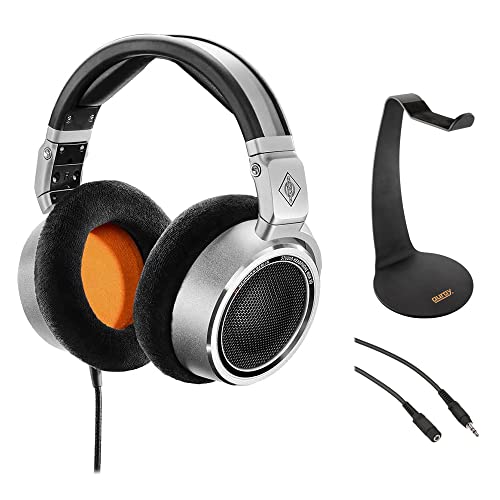
Neumann Open-Back Dynamic Studio Headphones
Best for: Studio mixing and reference monitoring
- Form Factor
- Open-Back
- Connectivity
- 3.5 mm
- Recommended Use
- Studio
- Driver Type
- Dynamic
- Color
- Black
View on Amazon: Neumann Open-Back Dynamic Studio Headphones Affiliate link
The Neumann NDH 30 is a dynamic, open-back studio headphone designed for mixing and reference work. It features a 3.5 mm connection and includes a detachable internally balanced cable. The build supports long-term wearing comfort and folds for transport. You will appreciate its linearity and spatial resolution when working alongside calibrated Neumann KH Line speakers.
Pros
- Open-back acoustic design for natural sound staging
- Dynamic driver type for strong transient response
- Detachable internally balanced cable included
- Foldable construction for easy transport
Cons
- Requires a 3.5 mm source without wireless connectivity
- No included carrying case in specifications
- Limited to wired connection only
Good fit if
- You need a reference monitor for studio mixing
- You use Neumann KH Line speakers for compatibility
- You prefer open-back dynamics for spatial resolution
Skip if
- You require wireless Bluetooth connectivity
- You need closed-back isolation for noisy environments
- You want a bundled carrying case
Verdict: Neumann NDH 30 Open-Back Studio Headphones fit engineers who need precise monitoring and speaker compatibility. You should choose this if your workflow relies on wired, high-fidelity reference tracks.
Specifications side by side
| Spec | Neumann Open-Back Dynamic Studio Headphones |
|---|---|
| Form Factor | Open-Back |
| Connectivity | 3.5 mm |
| Recommended Use | Studio |
| Acoustic Design | Open-Back |
| Driver Type | Dynamic |
| Color | Black |
| Size | One Size |
| Model | NDH 30 |
Frequently asked questions
Who is the Neumann NDH 30 best suited for?
These headphones are best for audio engineers who need precise monitoring and speaker compatibility. They fit professionals whose workflow relies on wired, high-fidelity reference tracks. The design aims to match the sound of calibrated Neumann KH Line speakers for accurate mix decisions.
What type of driver does the Neumann NDH 30 use?
The Neumann NDH 30 uses dynamic drivers. This driver type is common in studio headphones for its ability to produce a wide frequency range and strong bass response. It helps deliver the reference-class sound required for critical listening tasks in a professional environment.
Is the Neumann NDH 30 open-back or closed-back?
The Neumann NDH 30 features an open-back acoustic design. This construction allows air to pass through the ear cups, creating a wider and more natural soundstage. You get better spatial resolution, which helps you place instruments accurately in a stereo field during mixing.
What is the recommended use for these headphones?
The Neumann NDH 30 is recommended for studio use. It is designed for critical listening and reference monitoring rather than casual playback. The open-back design and dynamic drivers work together to provide the accuracy needed for professional audio engineering and production tasks.
What color is the Neumann NDH 30?
The Neumann NDH 30 is available in black. This color aligns with its studio-focused identity and professional aesthetic. The black finish is consistent with the build quality expected from equipment designed for critical audio work and long-term studio environments.
How does the Neumann NDH 30 compare to speakers?
The Neumann NDH 30 is designed to deliver sound that matches perfectly calibrated Neumann KH Line speakers. This compatibility allows engineers to switch between headphones and monitors without significant tonal shifts. It ensures consistency in your monitoring environment for accurate mix translation.
Does the Neumann NDH 30 have a specific model number?
Yes, the specific model number for these headphones is NDH 30. This identifier distinguishes it within the Neumann product line. Knowing the model number helps you find the correct accessories, replacement parts, and technical specifications for your studio setup.