Recommended Use Explained: What It Means for Headphones
As an Amazon Associate we earn from qualifying purchases. Links on this page are affiliate links.
Understanding Recommended Use for Headphones
The recommended use spec tells you how a manufacturer intends the product to be used. This label helps you match the headphones to your daily activities. It is not a guarantee of performance, but a strong indicator of design priorities. When you see recommended use explained on a listing, you are seeing the vendor's target audience. Common categories include home office, sleeping, running, studio, gaming, gym, travel, sports, and workout. Each category implies specific features. Home office models often prioritize microphone clarity and comfort for long wear. Sleeping earbuds are typically small and low-profile to avoid pressure. Running and sports gear usually features secure fits and sweat resistance. Studio headphones focus on flat frequency response for accurate monitoring. Gaming headsets emphasize positional audio and chat capabilities. Gym and workout models balance secure fit with durability. Travel headphones often include active noise cancellation and folding designs. You should care about this spec because it narrows your choices. If you buy running headphones for a quiet office, the fit might be too loose. If you use studio cans for commuting, the lack of noise isolation could be frustrating. The label saves you time. It aligns the product's physical traits with your environment. Check the listing for the specific use case that matches your routine. Do not assume all categories overlap perfectly. A gaming headset may lack the comfort needed for a full workday. A travel headphone might be too bulky for a morning jog. By focusing on the recommended use, you avoid mismatched expectations. This spec is your first filter. It ensures the hardware supports your primary activity. Always verify other details like battery life or connectivity after confirming the use case fits your needs. This approach leads to a better purchase decision.
How Use Case Shapes Design
Home Office
Headphones marked for home office use prioritize clear voice transmission and comfort for long sitting periods. You need a microphone that isolates your voice from background noise like fans or household chatter. The fit should be secure enough to stay in place during video calls but loose enough to prevent ear fatigue after hours. Battery life usually matters less than consistent connection stability. You might sacrifice some high-fidelity audio details for better microphone clarity. The TAGRY Over-Ear Hybrid ANC Headphones fit this category, offering active noise cancellation to block out distractions while working remotely.
Sleeping
Sleep-focused headphones prioritize low profile and soft materials over sound isolation. You need a device that lies flat against your head or ear so it does not press into the pillow when you turn over. Weight is critical; heavy units cause discomfort and disrupt sleep. Sound quality is secondary to comfort and battery efficiency for overnight use. These devices often use headbands or thin pads rather than bulky ear cups. You trade noise isolation for the ability to wear the device comfortably for eight hours. The MUSICOZY Bluetooth Sleep Headband uses a soft fabric band to hold thin speakers, allowing side sleepers to listen without pressure.
Travel
Travel headphones emphasize noise cancellation and battery life for long journeys. You need effective active noise cancellation to block engine and cabin noise. Foldable designs save space in carry-on bags. Comfort is crucial for wearing the device for many hours without pressure points. Battery life must exceed typical flight durations. The Beats Studio Pro Over-Ear Headphones exemplify this, offering 40 hours of battery life and strong noise cancellation for commuters and frequent flyers who need to disconnect from their surroundings.
Running
Running headphones must stay secure during high-impact movement and resist sweat and rain. You need a form factor that locks onto your ears or head, such as hooks or ergonomic shapes. Water resistance is essential to handle perspiration and sudden weather changes. Sound leakage should be minimal so you remain aware of traffic and surroundings. Battery life needs to support long runs without frequent charging. You often sacrifice deep bass response for a lighter, more secure fit that does not shift during sprinting or jogging.
Gaming
Gaming headphones focus on positional audio and communication clarity. You need a microphone that captures your voice clearly for team coordination. Sound staging is critical for hearing footsteps or directional cues in games. Comfort during marathon sessions is important, often featuring memory foam and adjustable headbands. Battery life must last through long gaming sessions if wireless. You often sacrifice general music fidelity for a sound profile that emphasizes mid-range voices and high-frequency directional sounds.
Gym
Gym headphones prioritize sweat resistance and secure fit during weightlifting or cardio. You need a design that stays in place during jumping or heavy lifting. Durability is key to withstand drops and intense movement. Sound leakage should be controlled in crowded gym environments. You sacrifice premium audio fidelity for rugged construction and secure attachment points. The focus is on keeping the device attached to you while you move vigorously through various exercises.
Is the Recommended Use Spec Worth It
Who needs it
You should prioritize the recommended use spec if your activities are highly specific. For instance, if you run or work out frequently, look for gear labeled for sports or gym use. These products often feature sweat resistance and secure fits that prevent slipping during movement. If you sleep with headphones, the sleeping label usually indicates a low-profile design that does not press against your ears when lying down. Gamers and studio professionals benefit from labels like gaming or studio, which signal tuning priorities for spatial audio or flat frequency response. Travelers should check for travel labels, as these often include noise isolation features suited for transit. If your routine involves switching between home office calls and casual listening, a general home office label ensures your voice is clear during meetings. This spec acts as a quick filter to match your primary activity with the right design priorities.
Who can skip it
You can ignore this spec if you buy headphones for general, mixed-use scenarios. Many modern devices handle multiple tasks well, such as commuting and casual listening. If you value versatility over specialization, do not let a single label limit your options. Instead, focus on core technical specifications like driver size, battery life, and connectivity options. These factors determine the overall sound quality and convenience more than a usage label. For example, a pair of headphones with excellent noise cancellation will serve you well on a plane and in a noisy office, regardless of whether it is labeled for travel or home office. If you switch between gaming, music, and calls daily, a broad-spectrum device is often better than one optimized for just one activity. Prioritize comfort and sound signature over a specific use case label if your needs are diverse and changing.
Glossary of Terms
Active Noise Cancellation
Electronics generate sound waves to cancel external noise. This feature reduces ambient chatter, allowing you to focus on audio without raising the volume level.
Form Factor
The physical shape and style of the device. Common types include over-ear, on-ear, and true wireless earbuds, which dictate how the gear sits on your head.
Battery Life
The duration the device plays audio on a single charge. Values typically range from four hours for earbuds to thirty hours for large over-ear headphones.
Connectivity
The method used to link the headphones to your source. Bluetooth is standard, while wired connections use 3.5mm jacks or USB-C for stable audio transmission.
Microphone Type
The hardware capturing your voice during calls. Built-in mics vary in quality, with some featuring beamforming to isolate your voice from surrounding background noise.
Acoustic Design
How the drivers and enclosure shape sound. Open-back designs leak sound but offer a wider stage, while closed-back models provide isolation and bass response.
Sweat Resistance
An IP rating indicating protection against moisture. Look for IPX4 or higher if you plan to use the headphones during intense workouts or in humid conditions.
Quick picks
| # | Product | Best for | Price |
|---|---|---|---|
| 1 | Beats Studio Pro Wireless Over-Ear Headphones | All-day listening and travel | Check price of Beats Studio Pro Wireless Over-Ear Headphones on Amazon |
| 2 | TAGRY Over-Ear Hybrid ANC Headphones | long battery life and travel | Check price of TAGRY Over-Ear Hybrid ANC Headphones on Amazon |
| 3 | MUSICOZY Bluetooth Sleep Headband | Side sleepers seeking comfortable wireless audio | Check price of MUSICOZY Bluetooth Sleep Headband on Amazon |
Our 3 picks
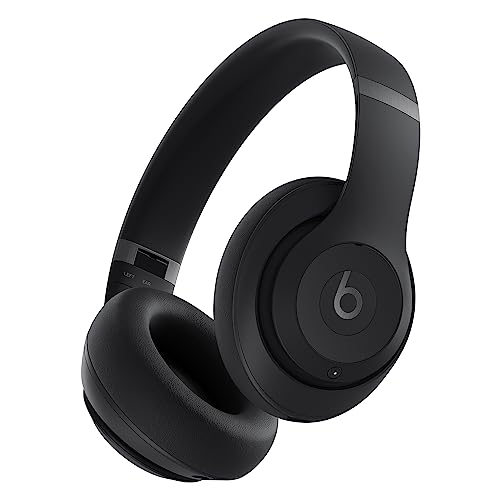
Beats Studio Pro Wireless Over-Ear Headphones
Best for: All-day listening and travel
- Recommended Use
- Travel (what this guide is about)
- Noise Cancellation
- ANC, Transparency mode
- Form Factor
- Over-ear
- Battery Life
- Up to 40 hours
- Connectivity
- Class 1 Bluetooth, USB-C, 3.5 mm
- Audio Features
- Spatial Audio, Lossless audio
View on Amazon: Beats Studio Pro Wireless Over-Ear Headphones Affiliate link
The Beats Studio Pro is an over-ear headphone with up to 40 hours of battery life. It features active noise cancellation and transparency mode for focused listening. USB-C lossless audio and spatial audio enhance sound quality. The design includes UltraPlush cushions for comfort. It suits users who need reliable wireless connectivity and clear call performance for daily use.
Pros
- Up to 40-hour battery life with Fast Fuel charging
- Active noise cancellation and transparency mode
- USB-C lossless audio and spatial audio support
- One-touch pairing with Apple and Android devices
Cons
- Heavier at 9.17 ounces compared to lighter alternatives
- Over-ear design may not fit side sleepers comfortably
- No mention of a carrying case or app control
Good fit if
- You need long battery life for travel or work
- You want active noise cancellation for focus
- You use both Apple and Android devices
Skip if
- You prefer lightweight earbuds for running
- You are a side sleeper needing a headband
- You need a compact foldable design for small bags
Verdict: Beats Studio Pro Over-Ear Headphones deliver strong battery life and effective noise cancellation. They are a solid choice for users who prioritize sound quality and device compatibility over portability.

TAGRY Over-Ear Hybrid ANC Headphones
Best for: long battery life and travel
- Noise Cancellation Type
- Active Noise Cancelling
- Driver Type
- Hybrid Driver
- Color
- Black
- Dimensions
- 8.11 × 7.7 × 2.36 inches
View on Amazon: TAGRY Over-Ear Hybrid ANC Headphones Affiliate link
The TAGRY H08 offers hybrid active noise cancellation and up to 100 hours of battery life. These over-ear headphones weigh 0.54 lbs and include a 3.5mm wired option. They suit you if you need long playtime for home office work or travel. The design includes a foldable build and a travel pouch. Hi-Res Audio support ensures detailed sound reproduction during extended listening sessions.
Pros
- Hybrid Active Noise Cancellation reduces ambient noise
- Up to 100 hours of battery life
- Supports Bluetooth and 3.5mm wired connections
- Lightweight at 0.54 lbs
Cons
- No mention of an included carrying case beyond a pouch
- No mention of multipoint connection capability
- Only one size option available
Good fit if
- You need headphones for long commutes or travel
- You want a wired backup option for flights
- You prefer lightweight over-ear designs
Skip if
- You require multipoint Bluetooth pairing
- You need premium build materials
- You prioritize studio-grade isolation
Verdict: TAGRY H08 Over-Ear Headphones fit travelers and remote workers who prioritize battery life and noise reduction. They deliver practical comfort for daily use without complex features.

MUSICOZY Bluetooth Sleep Headband
Best for: Side sleepers seeking comfortable wireless audio
- Recommended Use
- Sports, Workout, Sleeping, Running, Side Sleepers (what this guide is about)
- Form Factor
- Headband
- Battery Life
- Up to 15 hours
- Connectivity
- Bluetooth 5.4
- Driver Size
- 40 mm
- Water Resistance
- Sweat-resistant
View on Amazon: MUSICOZY Bluetooth Sleep Headband Affiliate link
This MUSICOZY headband combines a soft fabric band with 40 mm composite drivers for side sleepers. It uses Bluetooth 5.4 for stable wireless audio. The battery lasts up to 15 hours on a single charge. It weighs only 2.88 ounces. You get clear sound without bulky ear cups. This design keeps your hair tidy while you sleep or relax.
Pros
- Bluetooth 5.4 connectivity
- 40 mm composite drivers
- Up to 15 hours playtime
- Lightweight 2.88-ounce design
Cons
- Shorter battery life than over-ear competitors
- No active noise cancellation
- No companion app for EQ settings
Good fit if
- You are a side sleeper who finds traditional headphones uncomfortable
- You want a discreet audio device for meditation or sleep
- You need a lightweight band for gym workouts or jogging
Skip if
- You require deep active noise cancellation for travel
- You need more than 15 hours of continuous playback
- You prefer over-ear headphones with larger drivers
Verdict: MUSICOZY Bluetooth Sleep Headband offers a comfortable, low-profile solution for side sleepers who need wireless audio. It fits buyers who prioritize comfort and discretion over maximum battery life or noise isolation.
Specifications side by side
| Spec | Beats Studio Pro Wireless Over-Ear Headphones | TAGRY Over-Ear Hybrid ANC Headphones | MUSICOZY Bluetooth Sleep Headband |
|---|---|---|---|
| Noise Cancellation | ANC, Transparency mode | not stated | not stated |
| Form Factor | Over-ear | not stated | Headband |
| Battery Life | Up to 40 hours | not stated | Up to 15 hours |
| Connectivity | Class 1 Bluetooth, USB-C, 3.5 mm | not stated | Bluetooth 5.4 |
| Driver Size | not stated | not stated | 40 mm |
| Water Resistance | not stated | not stated | Sweat-resistant |
| Audio Features | Spatial Audio, Lossless audio | not stated | not stated |
| Noise Cancellation Type | Active Noise Cancelling | Active Noise Cancelling | not stated |
| Recommended Use | Travel | not stated | Sports, Workout, Sleeping, Running, Side Sleepers |
| Driver Type | not stated | Hybrid Driver | not stated |
| Color | Black | Black | Dark Black |
| Dimensions | 7.01 × 3.07 × 7.13 inches | 8.11 × 7.7 × 2.36 inches | 3.9 × 3.5 × 0.7 inches |
| Weight | 9.17 ounces | not stated | 2.88 ounces |
| Size | One Size | M | One Size |
| Model | MQTP3DN/A | H18 | GH01 |
Frequently asked questions
What does the recommended use label actually mean for headphones?
It indicates the manufacturer's intended primary activity for the device. This label guides you toward specific design priorities like comfort or durability. For example, the TAGRY H08 targets home office and travel needs. You should treat it as a strong indicator of fit and feature set rather than a strict performance guarantee.
How does recommended use differ from general form factor?
Form factor describes the physical shape, such as over-ear or headband. Recommended use explains the activity context. The MUSICOZY GH01 uses a headband form factor specifically for sleeping. The Beats Studio Pro uses an over-ear design for travel. The label tells you how the physical shape serves a specific daily routine.
Can I use travel headphones for my home office?
Yes, if they meet your specific audio needs. The TAGRY H08 supports both travel and home office use. It includes active noise cancellation to reduce background noise. You can use it for calls or focused work. Check the attributes to ensure it supports your required connectivity and comfort level for long periods.
Are sleep headphones suitable for commuting?
They are not ideal for most commutes. The MUSICOZY GH01 is designed for side sleepers. It has a low-profile headband that may not stay secure during movement. It lacks the active noise cancellation found in travel-focused models like the Beats Studio Pro. You should choose a different form factor for active transit.
Why do some headphones list multiple recommended uses?
Manufacturers list multiple uses when a device fits several scenarios. The TAGRY H08 lists both travel and home office. This suggests it balances battery life with noise reduction. You get versatility without needing separate devices. Verify that the specifications, like connectivity and weight, support both activities effectively.
Does recommended use affect battery life expectations?
It often correlates with typical usage patterns. Travel headphones like the Beats Studio Pro prioritize long battery life, offering 40 hours. This supports long flights or commutes. Home office models may also emphasize endurance. You can expect devices labeled for these uses to sustain longer playback sessions compared to compact alternatives.
Is active noise cancellation required for recommended use labels?
Not always, but it is common for specific labels. The TAGRY H08 and Beats Studio Pro both use active noise cancellation. This helps with travel and home office environments. The MUSICOZY GH01 for sleeping does not list this feature. You should check the noise cancellation type if you need to block ambient sound.